
 See Our Latest Article on HelloNation
Introduction: Cracking the Mystery
If you’ve ever found yourself sitting on your porch in Blooming Grove, NY, flexing your fingers or stretching after a walk through Blooming Grove Park, you may be familiar with the satisfying pop that sometimes erupts from your knuckles, knees, or back. This natural phenomenon raises frequent questions among our community: Is it safe to crack your joints? Does it cause arthritis? Should you be concerned if you hear those sounds during daily activities or chiropractic visits?
As a chiropractor who cares about the well-being of our Blooming Grove neighbors, let’s explore the truth about cracking joints, dispel myths, and help you make informed decisions for your lifestyle.
Why Do Our Joints Crack?
Sounds from our joints, medically called “crepitus,” are more common than you think. The most common source of the cracking or popping noise is a process called “cavitation,” which occurs when gas bubbles in the synovial fluid (the lubricant in our joints) rapidly collapse or form. Other causes can include ligaments or tendons snapping over bone or mild joint instability.
- Joint cavitation: Gas bubbles popping in the joint fluid.
- Tendons or ligaments: Movement over joint surfaces.
- Age or activity level: Common after sitting at your desk or returning from a chilly dog walk in Blooming Grove’s brisk evenings.
Is Joint Cracking Harmful?
This is one of the most frequent concerns brought up by patients in our Blooming Grove office. The good news: scientific studies have found no evidence that habitual joint cracking causes conditions like arthritis or permanent damage. In fact, a famous study followed a physician who cracked the knuckles on one hand for 60 years—but not on the other—and found no difference in arthritis development.
However, excessive force, pain, or swelling after cracking could signal an underlying issue and should be checked out by a professional chiropractor.
- Cracking usually isn’t harmful if it’s painless.
- If cracking is accompanied by discomfort, swelling, or decreased mobility, seek a professional evaluation.
- Loud, sudden, or new noises after an injury require medical attention.
Common Myths About Joint Cracking
Life in Blooming Grove offers so many activities—from gardening and hiking to community yoga classes—and with them, a lot of movement. Let’s bust a few myths that often make their way into casual conversations on the trail or at the local diner:
*Myth 1: Cracking your joints causes arthritis.*
Research repeatedly demonstrates there is no direct link between joint popping and arthritis.
*Myth 2: Cracking means your bones are rubbing together.*
The noises are not bones grinding, but rather the fluid or soft tissues around the joint reacting to pressure changes.
*Myth 3: Only older adults experience joint noises.*
Joint noises happen at any age and are common in active children, teens, and adults alike.
Joint Cracking and Chiropractic Care in Blooming Grove
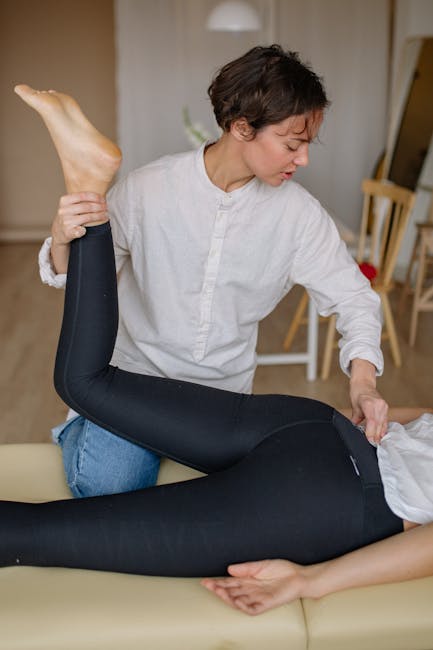
When you visit a chiropractor, you may notice similar sounds during spinal adjustments or manipulations. These are intentional moves to restore joint alignment and improve function. The sounds that sometimes result from chiropractic care are very similar to what you might hear when you stretch at home—but under controlled, therapeutic circumstances.
At our Blooming Grove clinic, patients are educated that:
- The goal of adjustments is to restore motion and function, not just to produce a sound.
- Painless popping during chiropractic care is normal and does not signal harm.
- Chiropractic adjustments can relieve discomfort, improve posture, and support an active Hudson Valley lifestyle.
Should You Try to Crack Your Own Joints?
It might be tempting to self-manipulate your back or neck after a long commute down Route 94 or hours of yard work. However, habitual or forceful self-cracking, especially in the neck or spine, may not be safe without proper guidance.
- Gentle stretching and movement are generally safe and can encourage natural joint mobility.
- Repetitive or forceful manipulation may increase risk of soft tissue strain.
- If chronic stiffness or discomfort persists, consult with a chiropractor in Blooming Grove for personalized care.
Supporting Joint Health in Blooming Grove’s Active Community
Joint health is about more than just “cracking.” For residents enjoying all that Blooming Grove has to offer, including hiking the Schunnemunk Ridge or tending community gardens, here are some practical tips to keep your joints healthy:
- Stay active: Regular movement and exercise, such as walking, swimming, or yoga, help maintain joint mobility and lubrication.
- Stretch regularly: Gentle stretching before and after activity supports flexibility and can reduce stiffness (and those joint noises!).
- Maintain a healthy weight: Reduces pressure on weight-bearing joints, especially hips and knees.
- Stay hydrated: Water helps keep your joints well-lubricated for all of life’s activities.
- Listen to your body: If something feels off, don’t ignore persistent pain or swelling.
When to See a Chiropractor in Blooming Grove
If your joint noises are painless and not accompanied by other symptoms, there’s likely no cause for concern. Still, you should seek the advice of a local chiropractor if:
- Cracking is painful or associated with swelling.
- Your joint feels unstable or weak.
- You recently experienced an injury.
- Symptoms interfere with daily activities, from caring for your garden to running through Lasser Park.
Conclusion: Embracing Movement Without Fear
Joint noises are a normal part of an active life—whether you’re out supporting the Blooming Grove Farmers’ Market, taking a hike, or simply relaxing at home. Cracking your joints does not cause arthritis, and most of the time, those sounds are unremarkable biological processes at work. If you’re ever unsure about what you’re experiencing, don’t hesitate to ask a trusted healthcare provider in Blooming Grove. Your mobility, comfort, and confidence are always worth protecting.
Here’s to a lifetime of healthy movement, without worry—pops and all!
