
 See Our Latest Article on HelloNation
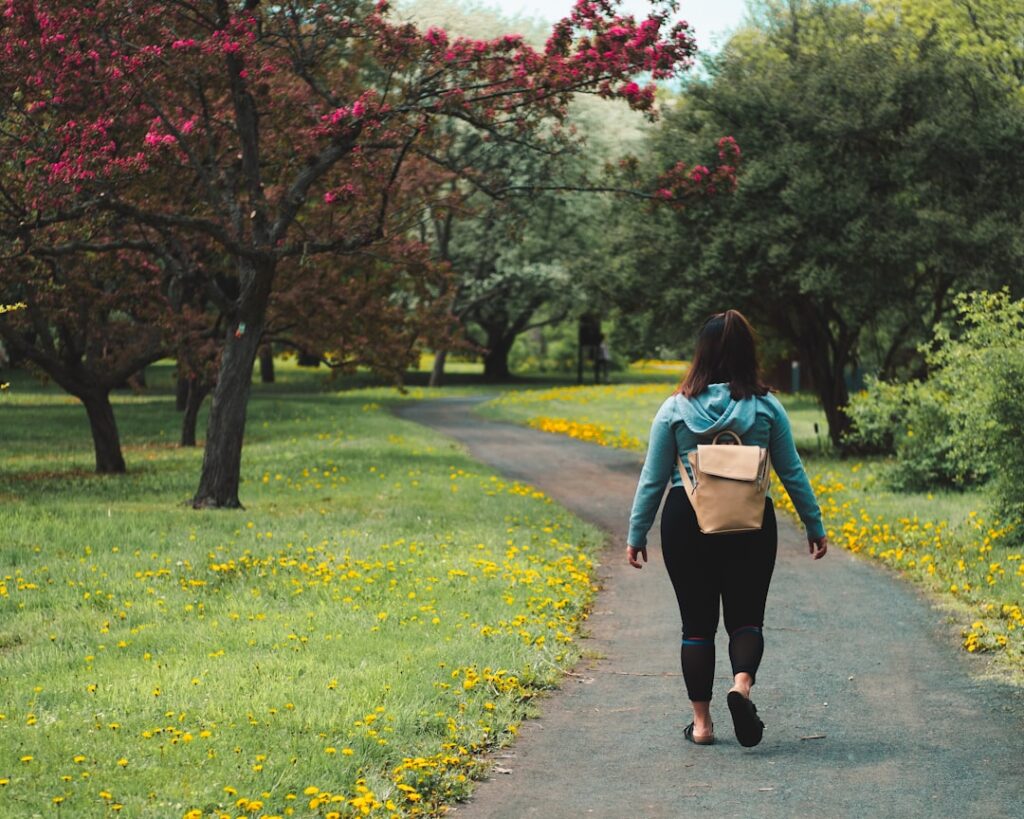
As families in Blooming Grove, NY prepare their children for the school year, there’s one essential item that often gets overlooked when it comes to health: the backpack. While sturdy, colorful, and convenient, backpacks can also pose hidden risks to children’s spine and overall health when they are too heavy or improperly worn. In this article, we’ll dive into how backpack weight impacts children’s health, tips for parents, and the unique factors Blooming Grove families should keep in mind.
Why Backpack Weight Matters
Children’s bodies are still growing, and their musculoskeletal systems are especially vulnerable to uneven or excessive loads. Backpacks, especially when filled with textbooks, devices, lunchboxes, and extracurricular gear, can easily become too heavy. When this happens, several issues can arise:
- Muscle Strain: Extra weight pulls on the shoulders, neck, and lower back, causing discomfort and muscle fatigue.
- Postural Problems: Children may lean forward, arch their back, or hike up one shoulder to compensate for the weight, leading to poor posture.
- Spinal Compression: Over time, excessive weight can compress the spine and contribute to long-term problems like scoliosis or chronic pain.
- Reduced Balance and Falls: Heavy backpacks can throw off a child’s balance, increasing the risk of tripping and falls.
Current Health Recommendations for Backpack Weight
Most health experts, including the American Chiropractic Association and the American Academy of Pediatrics, recommend that a child’s backpack should not exceed 10-15% of their body weight. For example, a 60-lb. child should carry no more than 6-9 lbs. in their backpack.
Signs Your Child’s Backpack is Too Heavy
Parents and caregivers should watch for the following warning signals that a backpack is too heavy:
- Complaints of back, neck, or shoulder pain
- Visible red marks on the shoulders from straps
- Slouched posture or walking with a forward lean
- Difficulty putting on or taking off the backpack
- Tingling or numbness in the arms or hands
Backpack Use in Blooming Grove: Local Considerations
Blooming Grove is known for its beautiful, hilly landscapes, rural roads, and community-oriented schools—many students walk to bus stops or to school through uneven or longer distances than in more urban areas. These local factors add to the physical demands placed on children as they carry their bags. Some additional considerations for Blooming Grove families include:
- Long bus walks: If your child has a long walk to the bus, a heavier bag increases risk of strain and fatigue.
- Extracurricular activities: Many local children participate in sports, music, and after-school programs, adding extra items to their load.
- Changing weather: Wet and snowy conditions, common in the Hudson Valley, make it harder for kids to manage heavy bags safely.
Tips for Choosing and Packing a Healthy Backpack
Blooming Grove parents can take simple steps to help their children avoid the risks associated with heavy backpacks:
- Choose the Right Backpack:
- Look for wide, padded shoulder straps and a padded back.
- A waist or chest strap adds extra support.
- Lightweight, durable materials minimize unnecessary added weight.
- Pack Smart:
- Only pack what’s necessary each day—leave out extra books, electronics, or supplies.
- Distribute weight evenly, keeping heavier items closer to the back.
- Use multiple compartments to prevent shifting weight.
- Wear it Right:
- Always use both shoulder straps.
- Adjust the bag so it sits no lower than four inches below the waist.
- Tighten straps to keep the load close to the body.

How Parents and Schools Can Work Together
Blooming Grove’s tight-knit community is a strength when it comes to child health advocacy. Here’s how families and educators can collaborate:
- Encourage Communication: Let teachers know if your child struggles with backpack weight or recurring pain.
- Leverage School Resources: Request access to locker spaces, digital textbooks, or shared classroom supplies.
- Promote Awareness: Support and participate in Backpack Awareness events, which highlight back health for students and educate the community.
When to Seek Professional Help
If your child continues to experience pain, numbness, tingling, or postural changes despite backpack adjustments, it’s time to consult a health professional. Chiropractors in Blooming Grove are experienced in pediatric spinal care and can assess, treat, and provide ongoing advice for musculoskeletal health.
The Takeaway for Blooming Grove Families
Heavy backpacks might seem like a small issue, but for growing children in Blooming Grove, NY, they can be the source of major health problems. By staying mindful of backpack weight, choosing the right gear, and advocating for balanced loads, local parents can protect their kids’ spines and foster lifelong healthy habits. If you have concerns, don’t hesitate to reach out to a local practitioner for guidance or a checkup.
For more resources and back-to-school tips, visit your school nurse or contact your local chiropractor who understands the unique lifestyle and needs of Blooming Grove families.
