
 See Our Latest Article on HelloNation
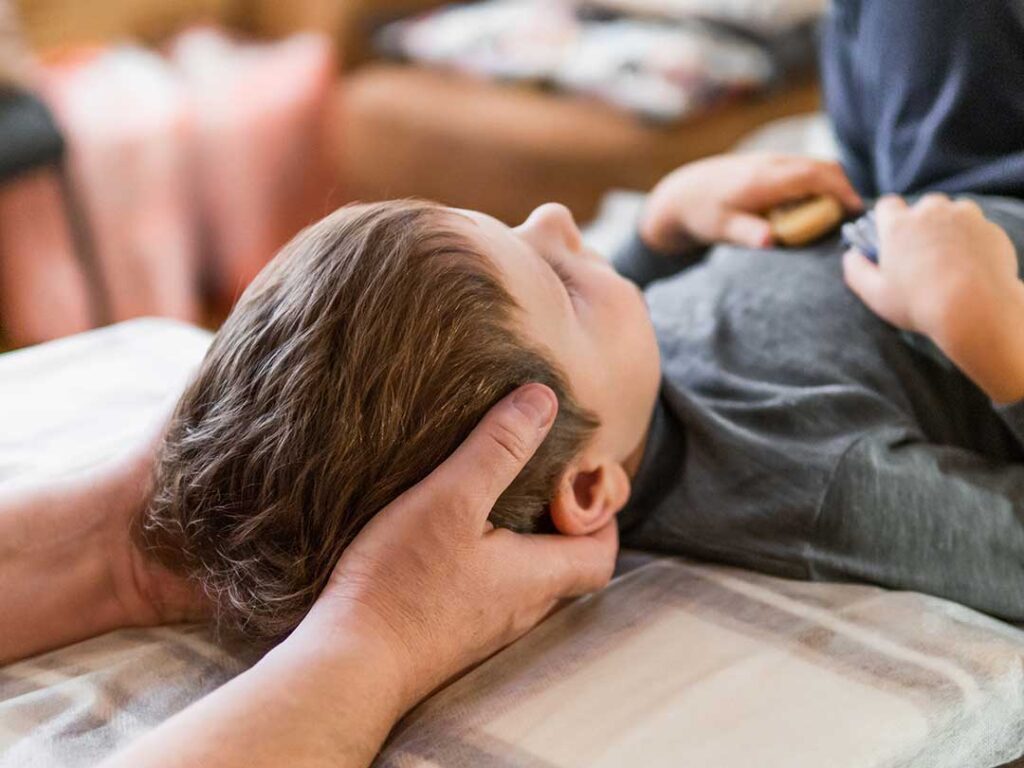
Do Most People in Blooming Grove, NY Get Back Pain From Injuries?
While injuries from slips, falls, or lifting heavy objects are well-known triggers, most back pain among local residents actually stems from everyday activities and habits rather than dramatic accidents. Routine tasks such as sitting at a computer for hours, shoveling snow in winter, or gardening in the warmer months often contribute. Back pain can gradually build up due to posture, repetitive motions, or simple muscle fatigue. Local climate—cold winters, icy sidewalks, and seasonal yard work—may cause subtle strains that go unnoticed until discomfort appears.
Does Bed Rest Help Back Pain Get Better Faster?
Spending extended periods in bed rarely speeds up recovery from typical back discomfort. Most experts now agree that staying active, within reasonable comfort levels, promotes better long-term outcomes. While a brief rest may help during severe flare-ups, gentle movement—like short walks or stretching—typically aids healing. Remaining completely inactive for more than a couple of days can actually delay progress and weaken muscles, making future episodes more likely for area households.
Is Back Pain Always a Sign of Something Serious?
For most adults, backaches are common and not usually a warning of a dangerous condition. Muscle or ligament strain is by far the most frequent cause. However, very specific symptoms may indicate a more serious medical issue, especially if accompanied by leg numbness, trouble controlling bladder or bowels, or unexplained weight loss. In such cases, prompt medical attention is necessary. For everyday, localized pain, supportive self-care is usually the most helpful first step.
Will Lifting Heavy Objects Always Cause Back Pain?
Lifting does not automatically lead to back problems. It’s the way something is lifted—and the frequency of poor technique—that matters. Bending at the waist, twisting while holding weight, and sudden, jerky movements increase risk. In contrast, using the legs to lift, keeping items close to the body, and moving slowly protect the back. Seasonal activities like moving firewood or carrying groceries in icy driveways can pose risks, but thoughtful preparation—clearing snow and wearing good footwear—reduces the likelihood of injury.
Is Back Pain Just Part of Getting Older?
While age can bring changes like thinning discs or muscle loss, discomfort does not have to be accepted as inevitable. Many older adults in the community maintain good back health through regular movement, stretching, and strengthening exercises adapted to their abilities. Everyday routines, rather than age alone, determine whether someone is likely to be affected. Prevention—such as maintaining a healthy weight and adjusting activity levels—plays a much larger role than most residents might assume.
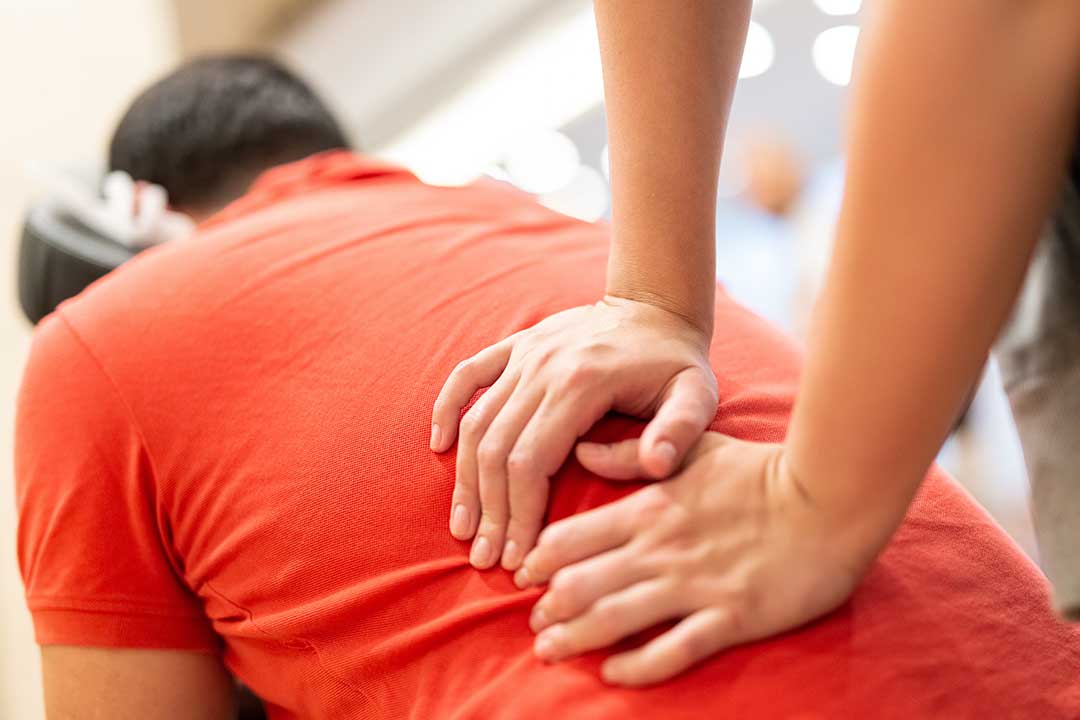
Are Back Problems Solved By a Single Solution?
There is rarely a “one-size-fits-all” cure. Back pain varies in cause, severity, and duration, with solutions depending on each person’s habits, activities, and physical condition. Some find improvement with ergonomic chair adjustments for home offices, while others benefit from walking, yoga, or targeted strengthening. It’s common for area residents to try several approaches before finding lasting relief. Multiple small changes—rather than expecting a quick fix—usually offer better, more sustainable results.
Is Back Pain Only a Physical Problem?
Although back pain originates in the body, stress and mood can make symptoms feel more intense. During especially busy seasons or stressful times, local residents may notice flare-ups or heightened discomfort. Experts have confirmed that tension, anxiety, and sleep quality often interact with physical back issues. Practical steps such as practicing relaxation techniques, getting rest, and staying connected socially can complement physical care.
Do Most Cases of Back Pain Require Surgery or Major Treatment?
Surgery is rarely needed for most back discomfort. The vast majority of residents improve with self-care, physical activity, and time. In some cases, short-term use of over-the-counter medication or supervised therapy may help, but invasive treatments are generally reserved for specific situations, like persistent nerve compression or structural problems not resolved by other means. For typical aches and soreness, patience and gradual return to normal routines are frequently effective.
