
 See Our Latest Article on HelloNation

Joint inflammation can make walking, gripping, climbing stairs, or sleeping more difficult. For residents of Blooming Grove, NY, natural strategies such as gentle movement, heat or cold, weight management, and balanced nutrition may help reduce discomfort and preserve mobility. These approaches can support care, but they do not replace evaluation when swelling is severe, sudden, or persistent.
What does joint inflammation feel like?
Inflammation may cause swelling, warmth, tenderness, stiffness, or reduced range of motion. Some people notice more stiffness after resting, while others experience pain after repetitive activity or prolonged standing.
The cause matters. Osteoarthritis often involves gradual wear-related changes and activity-related pain. Rheumatoid arthritis, gout, infection, and some injuries can produce more pronounced inflammation and may require timely medical treatment. “Natural” does not necessarily mean appropriate for every type of joint problem.
A joint that suddenly becomes very painful, red, hot, or difficult to move should not be managed only at home. Fever, unexplained weight loss, significant weakness, numbness, or swelling after a major injury also warrant prompt medical attention.
Can gentle exercise reduce inflammation?
Yes. Regular, joint-friendly movement can reduce pain, improve function, support muscle strength, and help prevent the stiffness that comes with inactivity. The Centers for Disease Control and Prevention notes that even short sessions of five or ten minutes can contribute to health benefits. ([cdc.gov](https://www.cdc.gov/arthritis/prevention/index.html?utm_source=openai))
Useful options include:
- Walking on level surfaces
- Cycling at a comfortable pace
- Water exercise
- Light gardening
- Tai chi
- Gentle range-of-motion exercises
- Resistance-band or light-strength exercises
Start below the level that causes significant pain. For example, a person with knee discomfort might begin with five minutes of walking, followed by rest, rather than attempting a long walk immediately. Increase duration or resistance gradually when symptoms remain stable.
Mild soreness after a new activity can occur, but worsening swelling, sharp pain, or symptoms that do not settle should be taken seriously. During icy winter conditions, indoor walking and controlled home exercises may be safer than walking on slippery surfaces.
Should heat or cold be used?
Heat is often more useful for stiffness, while cold may help with swelling or pain after activity. The National Institute of Arthritis and Musculoskeletal and Skin Diseases describes heat as a way to improve blood flow and flexibility, while cold can numb painful nerves and reduce swelling. ([niams.nih.gov](https://www.niams.nih.gov/community-outreach-initiative/understanding-joint-health/living-with-arthritis?utm_source=openai))
Practical guidelines include:
- Use a warm shower, heating pad, or warm compress for about 15 to 20 minutes before movement.
- Use a cold pack wrapped in cloth for about 10 to 15 minutes after activity if a joint feels swollen.
- Do not place ice directly on skin.
- Avoid sleeping with a heating pad.
- Stop if the skin becomes numb, pale, blistered, or unusually painful.
People with reduced sensation, circulation problems, or certain medical conditions should ask a qualified health professional before using temperature-based treatments.
Can food choices affect joint symptoms?
A balanced eating pattern may help support a healthy body weight and overall inflammatory health. It is more useful to focus on consistent dietary habits than on a single “anti-inflammatory” food.
A practical pattern emphasizes:
- Vegetables and fruit
- Beans, lentils, and whole grains
- Nuts and seeds
- Fish or other protein sources
- Unsaturated fats such as olive oil
- Adequate water intake
Highly processed foods, sugary drinks, and excessive alcohol may make it harder to maintain a healthy weight or manage general health conditions. This does not mean that one meal directly causes joint inflammation, but regular dietary patterns can influence weight, cardiovascular health, energy, and the ability to stay active.
For people carrying excess weight, even modest weight loss may reduce pressure on weight-bearing joints and improve movement. NIAMS reports that weight management can help reduce pain and improve mobility in osteoarthritis. ([niams.nih.gov](https://www.niams.nih.gov/community-outreach-initiative/understanding-joint-health/living-with-arthritis?utm_source=openai))
Do supplements such as turmeric, glucosamine, or fish oil work?
Evidence is mixed, and supplements can interact with medications. Glucosamine and chondroitin have produced inconsistent results for osteoarthritis, while evidence for many other products remains limited. NCCIH notes that no firm conclusions can be made for several commonly promoted supplements, including MSM and SAMe. ([nccih.nih.gov](https://www.nccih.nih.gov/health/providers/digest/arthritis-and-complementary-health-approaches?utm_source=openai))
Omega-3 fatty acids may help some people with rheumatoid arthritis symptoms, but that finding does not automatically apply to osteoarthritis. Fish oil can also affect bleeding risk and may interact with medication. Anyone considering a supplement should review the specific product, dosage, allergies, medical conditions, and medications with a healthcare professional.
Avoid assuming that a product is safe because it is labeled herbal, natural, or plant-based. Quality and concentration can vary, and some products may contain undeclared ingredients.
What about yoga, tai chi, massage, or chiropractic care?
Mind-body practices can be useful additions for some people. Tai chi has evidence of benefit for pain, stiffness, balance, and function in knee or hip osteoarthritis. Yoga may help some individuals, although research is less extensive. ([nccih.nih.gov](https://www.nccih.nih.gov/health/providers/digest/arthritis-and-complementary-health-approaches?utm_source=openai))
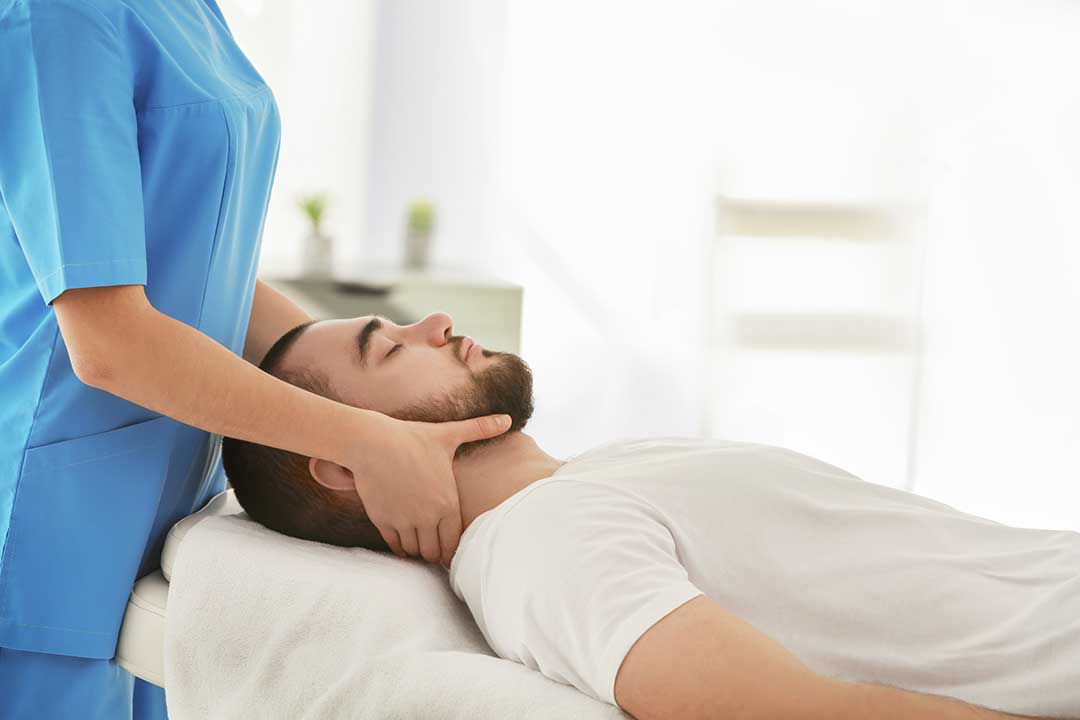
Massage may temporarily ease muscle tension around a painful joint, but it should not be used to ignore unexplained swelling or a suspected injury.
Chiropractic care generally focuses on the relationship between body structure and function, particularly the spine. It may be considered as part of a broader plan for certain musculoskeletal complaints, but it should not be presented as a cure for inflammatory diseases such as rheumatoid arthritis, gout, or joint infection. A careful history, examination, and coordination with medical care are especially important when symptoms include warmth, visible swelling, fever, or multiple inflamed joints.
How can daily habits protect irritated joints?
Small changes can reduce unnecessary strain without requiring complete rest:
- Alternate sitting, standing, and walking instead of staying in one position for long periods.
- Use supportive footwear for errands, household tasks, and outdoor walking.
- Break repetitive jobs into shorter periods with pauses.
- Use larger handles or adaptive tools when hand joints are painful.
- Keep frequently used items within easy reach.
- Warm up before yard work, exercise, or heavier household chores.
- Track which activities improve or aggravate symptoms.
Complete inactivity can weaken muscles and increase stiffness. The goal is usually controlled movement and sensible pacing, not avoiding all activity.
When should joint inflammation be evaluated?
Seek prompt medical attention for a joint that becomes suddenly swollen, hot, red, or severely painful, especially when fever or feeling unwell is present. Evaluation is also appropriate for persistent swelling, repeated flares, unexplained morning stiffness, symptoms in several joints, or pain that steadily limits normal activities.
A chiropractor, primary care clinician, physical therapist, rheumatology specialist, or other qualified provider may have different roles depending on the suspected cause. The most appropriate plan begins with identifying whether the problem is mechanical, inflammatory, infectious, traumatic, or related to another health condition.
Natural measures are most useful when they help a person move safely, sleep better, maintain strength, and participate in an appropriate treatment plan. They should support informed care rather than delay it.
