
 See Our Latest Article on HelloNation

Daily movement does not have to mean a formal workout. For residents of Blooming Grove, NY, healthy movement can include changing positions during work, walking safely in changing weather, lifting household items with control, and taking short breaks from sitting. These habits help the body stay mobile and may reduce the stiffness that often develops during long periods of inactivity.
Why does regular movement matter during the day?
Frequent, moderate movement supports joint mobility, muscle endurance, balance, and circulation. The body generally responds better to changing positions than to remaining still for several hours and then attempting intense activity all at once.
Long stretches of sitting or standing can contribute to:
- Tight hips and hamstrings
- Neck and upper-back stiffness
- Aching in the lower back
- Reduced ankle and shoulder mobility
- Fatigue caused by static posture
Movement breaks do not need to be lengthy. Standing for a few minutes, walking through the home, gently moving the shoulders, or changing the height of a work surface can interrupt the physical strain of staying in one position.
A useful goal is to make movement part of ordinary routines rather than treating it as something that only happens during exercise.
How often should someone change position?
Changing position every 30 to 60 minutes is a practical starting point for many adults. The exact interval depends on the activity, comfort level, medical history, and work demands.
Helpful reminders include:
- Stand during a phone conversation when practical.
- Walk briefly after finishing a meal.
- Use a timer or calendar reminder during desk work.
- Alternate between sitting and standing while completing household tasks.
- Take a few relaxed steps before reaching for an object stored on the floor or overhead.
The purpose is not to maintain a perfect posture all day. No single position is ideal for hours at a time. Variety is usually more useful than trying to hold the body rigidly in one “correct” position.
What is a healthy sitting setup?
A comfortable sitting position allows the feet to rest on the floor or on a stable support, with the knees roughly level with or slightly lower than the hips. The back should be supported without forcing the shoulders backward or creating tension.
For desk or computer work:
- Keep the screen near eye level so the head does not remain tilted downward.
- Place the keyboard and mouse close enough that the elbows stay near the body.
- Let the shoulders remain relaxed rather than lifted.
- Keep both feet supported when possible.
- Adjust the chair or work surface so the wrists are not sharply bent.
Even a well-arranged chair cannot replace movement. A person can sit comfortably and still develop stiffness if the position remains unchanged for too long.
How can residents stay active during colder or wetter weather?
Seasonal conditions can make outdoor walking less convenient, particularly when sidewalks, driveways, steps, or paths are wet, icy, or covered with leaves. During those periods, indoor movement can maintain activity without adding unnecessary fall risk.
Practical indoor options include:
- Walking through the home for several minutes at a time
- Performing gentle calf raises while holding a stable counter
- Practicing controlled sit-to-stand movements from a sturdy chair
- Marching slowly in place
- Using indoor stairs only when lighting and footing are secure
- Completing light household tasks in short intervals
Outdoor activity should be adjusted for visibility, traction, temperature, and clothing. Shoes with secure soles can help, but no footwear eliminates the need to watch for uneven or slippery surfaces. If a walkway appears hazardous, choosing an indoor alternative is sensible.
What is the safest way to lift household items?
Safe lifting begins before the object leaves the floor. Check its weight, size, handles, and path. If the item is awkward or heavier than expected, divide the load or ask for assistance rather than attempting to force the movement.
A controlled lifting sequence may include:
1. Stand close to the object.
2. Place the feet in a stable position.
3. Bend through the hips and knees as needed.
4. Keep the object close to the torso.
5. Tighten the abdominal muscles gently without holding the breath.
6. Rise smoothly instead of twisting or jerking.
7. Turn with the feet rather than rotating the spine while carrying.
The same principles apply to laundry baskets, storage containers, groceries, gardening materials, and snow-related household tasks. Repeated light lifting can also cause strain when performed quickly or with poor footing.
Are stretching exercises necessary for healthy movement?
Stretching can be useful, but it is not the only way to improve mobility. Gentle movement through a comfortable range often prepares the body more effectively than forcing a deep stretch when the muscles are cold.
Before walking, gardening, or other activity, try several minutes of easy movement such as:
- Shoulder rolls
- Slow trunk turns
- Heel-to-toe walking
- Gentle knee bends
- Ankle circles
- Easy marching
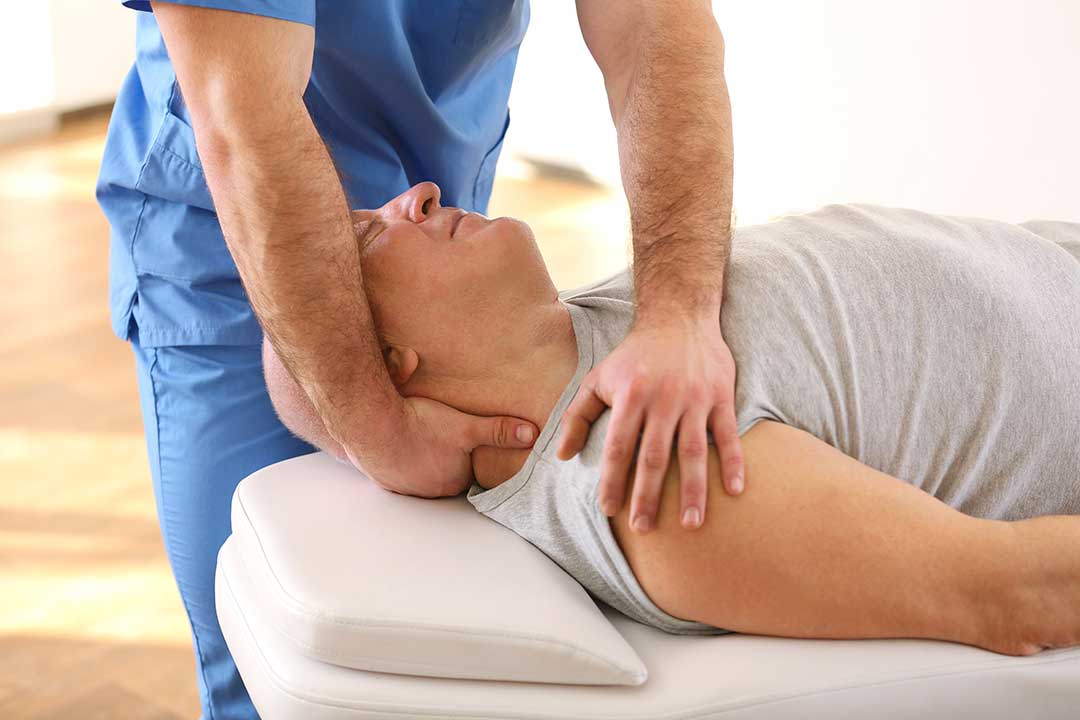
Longer stretches may be more comfortable after the body is warm. A stretch should create mild tension, not sharp pain, numbness, or a strong pulling sensation in a joint. Bouncing is generally unnecessary and may make it harder to control the movement.
Mobility work should match the person’s current ability. Someone who has been inactive may benefit from short, easy sessions rather than immediately attempting an advanced routine.
How can people move more comfortably while working from home?
Home work areas often develop gradually at kitchen tables, couches, bedrooms, or multipurpose rooms. The arrangement may be convenient but not designed for several hours of computer use.
A few changes can help:
- Place frequently used items within easy reach.
- Avoid working with the laptop balanced on the lap for extended periods.
- Use a separate keyboard when raising a laptop screen.
- Keep the screen centered rather than turned to one side.
- Change locations briefly if one area causes repeated discomfort.
- Build short walking or standing breaks into meetings and task transitions.
Comfort should guide adjustments. Tingling, weakness, persistent pain, or symptoms that travel into an arm or leg deserve more attention than ordinary stiffness after a busy day.
What movement habits help older adults maintain balance?
Balance is supported by leg strength, ankle mobility, vision, coordination, and attention to the environment. Older adults can maintain these abilities through consistent, appropriately challenging movement.
Useful habits may include:
- Practicing controlled sit-to-stand movements from a sturdy chair
- Walking on clear, well-lit surfaces
- Using a handrail on stairs
- Keeping pathways free of loose objects and cords
- Wearing supportive, secure footwear
- Performing balance exercises near a stable support
Anyone with a history of falls, dizziness, major weakness, or a new change in walking should use extra caution. Balance practice should not involve standing near an unprotected edge or attempting difficult movements without a secure setup.
When is discomfort a reason to stop?
Mild muscle fatigue or temporary stiffness can occur with unfamiliar activity. Sharp pain, sudden weakness, loss of coordination, numbness, chest discomfort, severe shortness of breath, or pain following a significant fall requires stopping the activity and seeking appropriate medical evaluation.
Symptoms that persist, repeatedly interfere with sleep or daily tasks, or steadily worsen should not be dismissed as ordinary tightness. A qualified health professional can help determine whether the problem relates to muscles, joints, nerves, balance, or another health concern.
For most people, the safest daily movement plan is consistent, varied, and proportionate to current ability. Brief activity spread throughout the day can support comfortable walking, working, lifting, and household participation without requiring an elaborate exercise program.
